
















Everything You Need to Know About Sleeve Anchors
In concrete and masonry construction, selecting the right anchor can often make the difference between a secure, durable installation and one prone to failure, maintenance issues, or safety concerns. One popular and versatile option is the sleeve anchor — a mechanically expanding anchor well suited to medium-duty applications in concrete, block, or brick.
In this article, we’ll explore: what sleeve anchors are, how they perform compared to other anchors (wedge or undercut), their ideal applications, benefits and limitations — and when you might prefer a different anchor type such as an undercut anchor (e.g. from the LIEBIG range). We’ll also reference several named anchor products to provide real-world context.
What is a Sleeve Anchor & How It Works
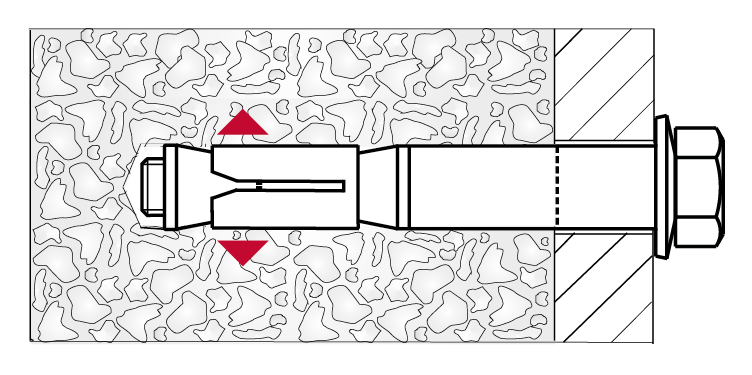
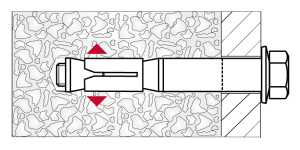
A sleeve anchor typically consists of a threaded bolt or stud, a hollow metal sleeve (often slotted), a nut and washer. After drilling a hole, the anchor is inserted, then tightening the nut draws a cone or wedge which expands the sleeve outward. The expanded sleeve grips the walls of the hole, creating frictional and radial pressure that holds the anchor in place.
Because of this design:
- The sleeve “presses outwards,” distributing load along the length of embedment (rather than concentrating load at a single point).
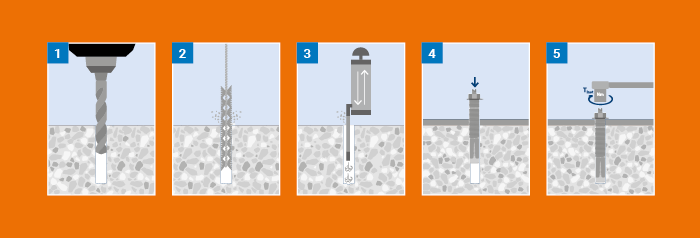
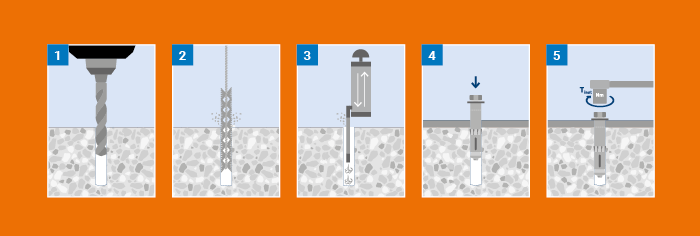
- Installation is relatively straightforward: standard drilling (masonry/concrete bit), clean the hole, insert anchor, tighten bolt or nut — no special undercutting tools needed.
- Sleeve anchors can work in Cracked and non-cracked concrete: C20/25 to C50/60, plus other types of masonry according to manufacturers specifications and ETA documentation — giving them good versatility.
Hence terms like “concrete sleeve anchors” or “sleeve anchors for concrete block” make sense: sleeve anchors adapt to a range of base materials, giving them broad use for many typical building or installation tasks.
Sleeve Anchors vs Wedge Anchors — Key Differences
When choosing anchors for concrete or masonry work, it’s common to compare sleeve anchors with wedge anchors (sometimes also called through-bolts). Here’s a breakdown of the main differences:
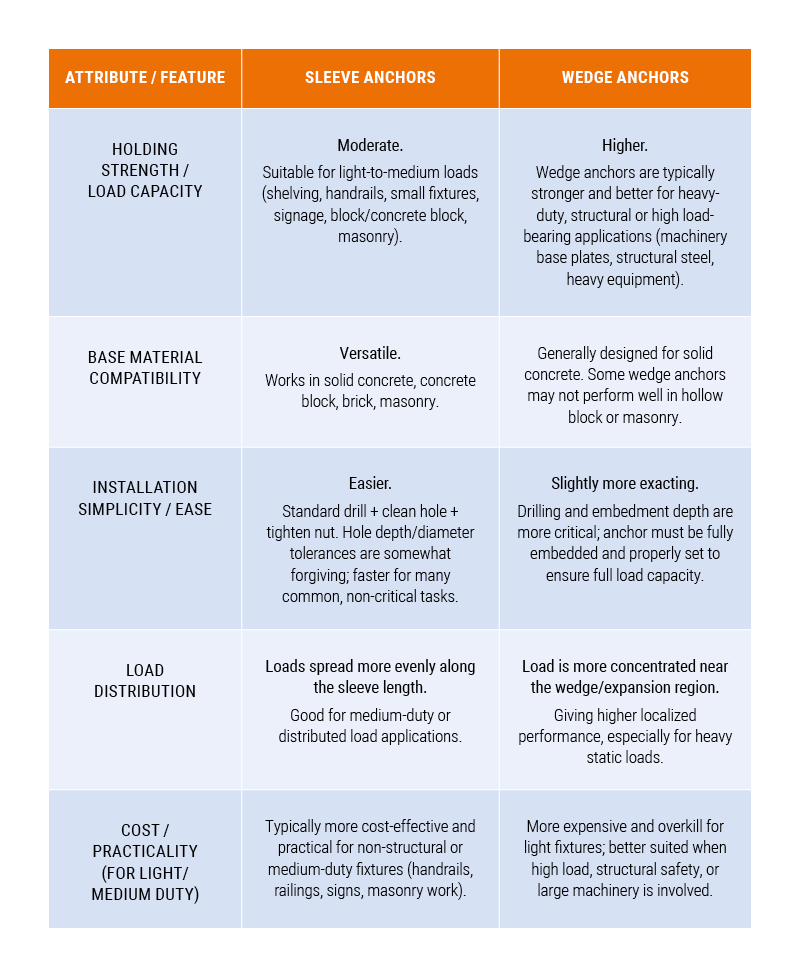
Implication for design/engineers: For lighter or medium-duty applications — especially in blockwork, brick, or masonry where structural loads are modest — sleeve anchors offer a practical and cost-effective solution. For heavy loads, structural connections, machinery bases or where maximum load capacity is needed, wedge anchors are generally preferable.

Typical Applications for Sleeve Anchors
Because of their versatility and ease of installation, sleeve anchors (concrete sleeve anchors / sleeve anchors for concrete block) are widely used in:
- Handrails, guardrails, balustrades, light railings
- Window/door frames, door thresholds, door or window hardware on masonry or block walls
- Light-to-medium fixtures: shelving, signage, brackets, fixtures, light structural supports
- Fixings into masonry, blockwork, brick, or porous concrete where other anchor types (wedge) may not set properly
- Retrofitting or repair work where drilling and simple installation make sense over heavy-duty anchoring
Because they don’t require special undercut tools, sleeve anchors are favourable in renovation, retrofit, or non-structural retrofit settings.


Benefits of Sleeve Anchors
Versatility: work in concrete, block, brick, masonry, making them valuable for a wide variety of building contexts.
Ease of installation: standard drilling tools suffice; no need for undercutting tools or specialised equipment — saves labour time and reduces complexity.
Cost-efficient for light/medium loads: typically lower cost than heavy-duty anchors, making them suitable for non-structural fixtures or retrofit work.
Flexibility in material and environment: available in different materials (e.g. zinc-plated steel for indoor, stainless for outdoors), and adaptable across materials — useful where base material is not solid concrete.
Distributes load along embedment length: reducing stress concentration and spreading load, which can be beneficial for certain applications where wide load distribution is desired rather than point loads.
Limitations and When Not to Use Sleeve Anchors
Lower load capacity than wedge or undercut anchors: For heavy loads, structural fixings, or dynamic loads (vibration, shifting, machinery), sleeve anchors might not provide sufficient tensile or shear resistance.
Less reliable in high-stress or safety-critical applications: Because holding depends on friction and radial expansion, under high sustained tensile loads or cyclic loading (vibration/seismic), performance may degrade or risk concrete cone failure.
Not ideal for cracked concrete or dynamic loads: For applications where concrete may crack or where there are dynamic or cyclic loads (mechanical equipment, seismic zones, heavy machinery), more robust anchors — like undercut anchors — are preferred.
Hole size / embedment depth sensitivity: While simpler than some anchors, you still must ensure correct drill hole diameter, embedment depth, cleaning debris from hole, and follow torque/installation instructions carefully — failure to do so can compromise hold.
Ensuring Compliance with Safety Standards and Building Codes
Sleeve Anchors vs Concrete Undercut Anchors
While sleeve and wedge anchors rely on friction and radial expansion within a drilled hole, undercut anchors work differently: they create a positive mechanical interlock with the concrete by forming an undercut void or recess, into which expanding keys expand — effectively “locking” the anchor into the concrete structure.
For example:
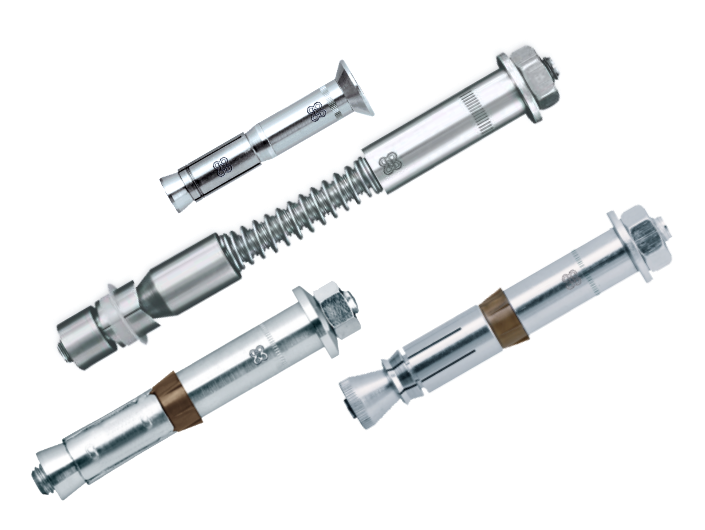
- The LIEBIG Superplus BLS uses a specially-designed self undercutting anchor that actually cuts it’s own void as it is torqued (tightened up) with no special cutting tool required.
- Compared with standard expansion anchors, undercut anchors — because of the interlock — offer significantly higher tensile and shear capacity, better behavior under dynamic loads (vibration, seismic), and greater overall safety margin.
So:
- When to choose undercut over sleeve: structural / heavy-duty fixtures, machinery, safety-critical installations, dynamic or high-load applications, cracked or potentially cracking concrete, seismic or vibration-prone environments.
- When sleeve anchors remain appropriate: lighter-duty tasks, masonry/block installations, simple fixtures, and when cost/installation simplicity matters more than maximum load capacity.
Practical Considerations & Best Practice Tips for Sleeve Anchor Installation
Always pre-drill the hole with the correct diameter and depth, using a hammer drill and masonry/concrete bit. Clean out all debris before insertion (vacuum or compressed air) to ensure full seat and expansion.
Choose anchor material appropriately: for indoor, dry environments, zinc-plated may suffice; for outdoor or corrosive environments, use stainless steel.
Don’t rely solely on “ultimate load” charts — consider safe working load, embedment depth, edge-distance, spacing, base material quality, and whether the load is static or dynamic.
Use sleeve anchors for what they are good at: light/medium load, masonry/concrete block, non-structural fixtures. For anything structural, safety-critical or heavy load — consider specifying an undercut anchor (e.g. LIEBIG Superplus BLS or Safety Bolt) or a wedge anchor, depending on conditions.
For regulatory compliance and engineering reliability: always check the anchor’s specification sheet (ETA/UKTA where relevant), ensure embedment and installation meet the manufacturer’s requirements, and double-check concrete strength and condition.
Conclusions & Recommendations for Engineers/Specifiers
Sleeve anchors remain a valuable and frequently appropriate choice for medium-duty fixings, especially in block, masonry, or concrete work where installation ease, flexibility, and cost matters. However — for heavier loads, structural or safety-critical applications, dynamic loading, or installations in cracked or load-bearing concrete — wedge anchors or undercut anchors (for example, LIEBIG Superplus BLS or Safety Bolt) should be strongly considered.
For any project, the choice of anchor should be based on:
- the nature of the load (static vs dynamic, weight, shear/tension),
- the base material (solid concrete vs block/masonry),
- environmental conditions (corrosion, exposure), and
- whether long-term safety, reliability, or maximum capacity is required.
Where sleeve anchors are used, follow best-practice installation procedures and understand their limitations.
Featured Product in this article
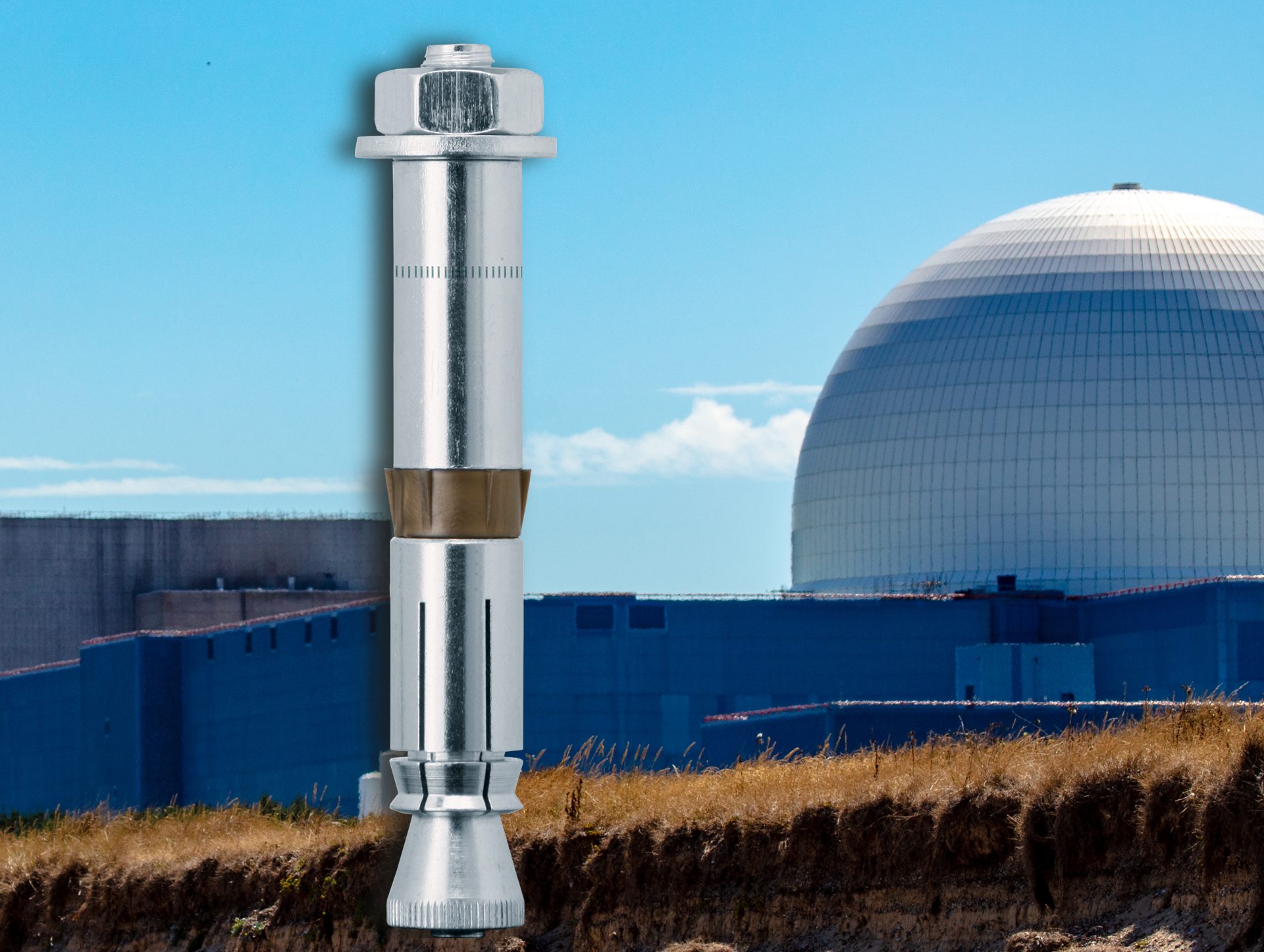
Safety Bolt
- Legendary twin-cone heavy duty anchor for hi-power performance
- Torque-controlled twin-cone heavy duty anchor for push-through installations.
- Suitable for heavy loads due to optimal friction resistance
Frequently Asked Questions
What is a sleeve anchor and where can it be used?
A sleeve anchor is a mechanical expansion anchor consisting of a bolt and an expandable metal sleeve. It can be used in solid concrete, concrete block, brick, or masonry. Its versatility makes it suitable for many medium-duty fixings such as handrails, shelves, light fixtures, frames, etc.
Can sleeve anchors be used for heavy or structural loads?
Generally, no — sleeve anchors are better suited to light-to-medium load applications. For heavy loads or structural fixings, wedge anchors or undercut anchors are typically more appropriate because they offer higher tensile and shear capacity.
What are the advantages of sleeve anchors compared with other anchor types?
Main benefits include versatility (works in various base materials), relatively easy and quick installation (standard drill required), cost-effectiveness for non-structural applications, and adequate performance for many everyday tasks.
When would you choose an undercut anchor (e.g. LIEBIG Superplus BLS) over a sleeve anchor?
When the installation demands high load capacity, safety-critical performance, resistance to dynamic or seismic loads, or when concrete condition or environment demands a more secure mechanical interlock. Undercut anchors provide a positive mechanical lock rather than relying on friction.
Are sleeve anchors suitable for concrete block or masonry block walls?
Yes — one of the strengths of sleeve anchors is their adaptability to blockwork, masonry, and brick as well as solid concrete. This makes them appropriate for many retrofit, renovation or general construction tasks in block walls
What installation practices ensure optimal performance of sleeve anchors?
Drill the hole to correct diameter & depth.
Clean out all dust/debris before insertion (vacuum or compressed air).
Ensure the anchor is fully inserted and the sleeve can expand.
Tighten to manufacturer-recommended torque (not over- or under-tighten).
Choose the appropriate anchor material (zinc, stainless) for the environment.