

















Earthquake & Seismic Anchors
LIEBIG ULTRAPLUS® Earthquake & Seismic Anchors
Earthquakes are more prevalent than we think. We might not feel them, but they occur every day in different parts of the world and in different magnitudes. The earthquake risk factor varies from place to place depending on where the region falls on the seismic risk maps. Additionally, certain types of structures such as nuclear installations and sites where failure of an installation has high consequential risk associated with it, also require the use of seismic anchors to be considered.
Certain type of substrate and structures not built to withstand seismic movements are some of the factors that increase the effects of earthquakes. Consequently, even the occasional weak seismic shifts can cause significant damage to property and life in such areas.
Currently, engineers use earthquake anchors in structures that have a high number of people or are in seismically active zones. They also use them in places that are crucial for post-disaster recoveries such as hospitals, bridges, and fire stations used in structures constructed using concrete.
Anchor services
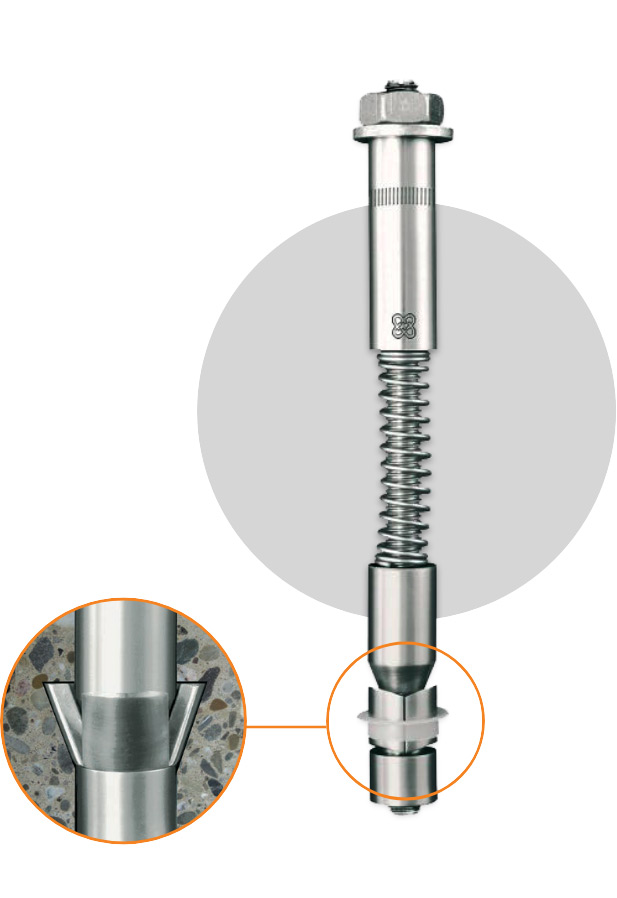
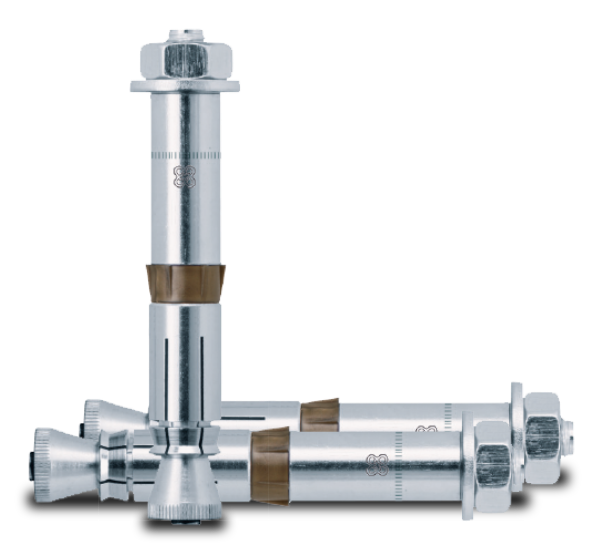
Earthquake anchors are designed to manage the increased load effect created on them by earthquakes. The process of anchor design and selection requires vast experience in the seismic design for structural as well as non-structural building elements. Seismology professionals also provide consultation services for building projects in regions where earthquakes are a crucial consideration.
The design takes into consideration several factors such as the relative displacement and maximum earthquake load demands. Engineers ensure there is no point of weakness on the connection between the structure and the seismic wedge anchors. Additionally, they design concrete floors, walls and ceilings to withstand the locally induced seismic forces.
Once an anchor is ready, technicians use specially designed seismic anchor bolts, welds, cleats, gusset plates and brackets to hold the structure. They ensure that all parts of the supporting structure are fixed in such a manner that all the seismic forces on the building are correctly managed and transferred to the seismic wedge anchor.
Compliance
By understanding the value of life and property at risk, people must strictly adhere to the existing Standards on seismic loads and fixings.
Frequently Asked Questions
Q: What are earthquake or seismic anchors designed for?
Earthquake or seismic anchors are designed to manage the increased load effects created during seismic activity. They are used to secure structures and components so they can withstand the forces generated by earthquakes.
Q: Why is anchor design important in seismic conditions?
Anchor design in seismic conditions requires specialist expertise because of the complexity of the forces involved. Proper design ensures that both structural and non-structural elements remain secure during seismic events.
Q: What types of building elements require seismic anchoring?
Seismic anchoring is required for both structural elements and non-structural building components. This ensures that all parts of a structure are properly secured and can perform safely during an earthquake.
Q: Why is specialist knowledge required for seismic anchoring projects?
The selection and design of seismic anchors require extensive experience in seismic engineering. This includes understanding load behaviour, structural performance and how different elements interact during an earthquake.
Q: What additional services support seismic anchoring in construction projects?
Seismology professionals can provide consultation services for projects in regions where earthquakes are a key consideration. This supports the correct specification and application of anchoring systems in seismic environments.