
















5 Common Mistakes in Elevator Anchoring

Is your business overlooking a critical aspect of safety and efficiency? Proper elevator anchoring is often underestimated, yet it plays a pivotal role in ensuring both safety and performance. Mistakes in this area can lead to costly repairs and jeopardise safety. In this article, you will discover common pitfalls in elevator anchoring, learn about essential materials, and understand the importance of compliance with safety standards. Equip your business with the knowledge to avoid these errors and enhance your elevator installations.
Understanding the Importance of Proper Elevator Anchoring
Proper elevator anchoring is essential to maintaining the structural integrity and safety of any building. It ensures that the elevator system is securely attached to the building’s framework, providing the necessary support to withstand operational stresses and seismic activities. Alignment and anchoring precision prevent misalignment issues that could lead to mechanical failures, impacting both performance and safety. Moreover, correct anchoring facilitates compliance with construction standards and enhances the longevity of the elevator system. Failing to adhere to these principles can result in costly repairs and a potential compromise of the building’s structural integrity. Thus, it is imperative for businesses to prioritise meticulous anchoring practices to ensure both safety and efficiency in their operations.
Impact of Improper Anchoring on Safety and Performance
Improper elevator anchoring poses significant risks to both safety and performance, potentially leading to catastrophic failures. When anchoring is not executed with precision, it can result in mechanical failures that compromise the elevator’s operational stability. These failures may include misalignment, excessive vibration, and undue stress on the elevator components, which can accelerate wear and tear. Furthermore, inadequate anchoring increases the risk of accidents, posing a threat to passenger safety. Such risks necessitate rigorous risk management strategies to prevent incidents that could have severe legal and financial implications.
In addition to safety concerns, improper anchoring can hinder the elevator’s efficiency, leading to increased downtime and maintenance costs. This can disrupt building operations and negatively impact tenant satisfaction. To avoid these pitfalls, it is essential to adhere to stringent construction standards and meticulous installation practices, ensuring elevators operate safely and efficiently. Proper anchoring is a fundamental aspect of maintaining robust building infrastructure.

Common Mistakes in Elevator Anchoring
The installation of elevator anchoring systems presents several potential pitfalls. A prevalent error is improper alignment, which can lead to misalignment issues that compromise the elevator’s functionality and safety. Ensuring precise alignment during installation is essential to prevent undue stress on the system.
Another frequent issue is the use of inadequate materials. Selecting materials that lack the necessary strength and durability can result in premature wear or failure, affecting the elevator’s performance and longevity. It is critical to choose materials that meet the required specifications for load-bearing capacity and environmental conditions.
Neglecting regular maintenance checks is also a common oversight. Routine inspections are vital for identifying and rectifying any anchoring issues before they escalate into major problems. Failing to conduct these checks can lead to increased downtime and costly repairs.
In addition, insufficient training for installation teams can result in errors during the anchoring process. Ensuring that teams are well-trained and familiar with the latest industry standards and techniques is paramount for successful installation. We see it as part of the anchoring specialist’s responsibility to work closely with installers, from reporting substrate reports to providing toolbox talks prior to the installation process.
Finally, overlooking compliance with local building codes and safety standards can lead to legal and operational repercussions. It is imperative to adhere to these regulations to ensure both the safety and legality of the elevator installation.


Choosing the Right Materials for Anchoring
Selecting appropriate materials for elevator anchoring is essential for ensuring load-bearing capacity and durability. The choice of materials directly impacts the longevity and performance of the elevator system. High-strength steel and corrosion-resistant alloys are frequently recommended due to their ability to withstand environmental stresses and maintain structural integrity. Additionally, materials must comply with specific construction standards to ensure safety and efficiency. Employing substandard materials can lead to premature failures and increased maintenance costs, compromising the entire building’s operational stability. For further insights on maintaining structural integrity, consider exploring the role of anchor bolts in post installation solutions.
Role of Anchor Bolts in Ensuring Structural Integrity
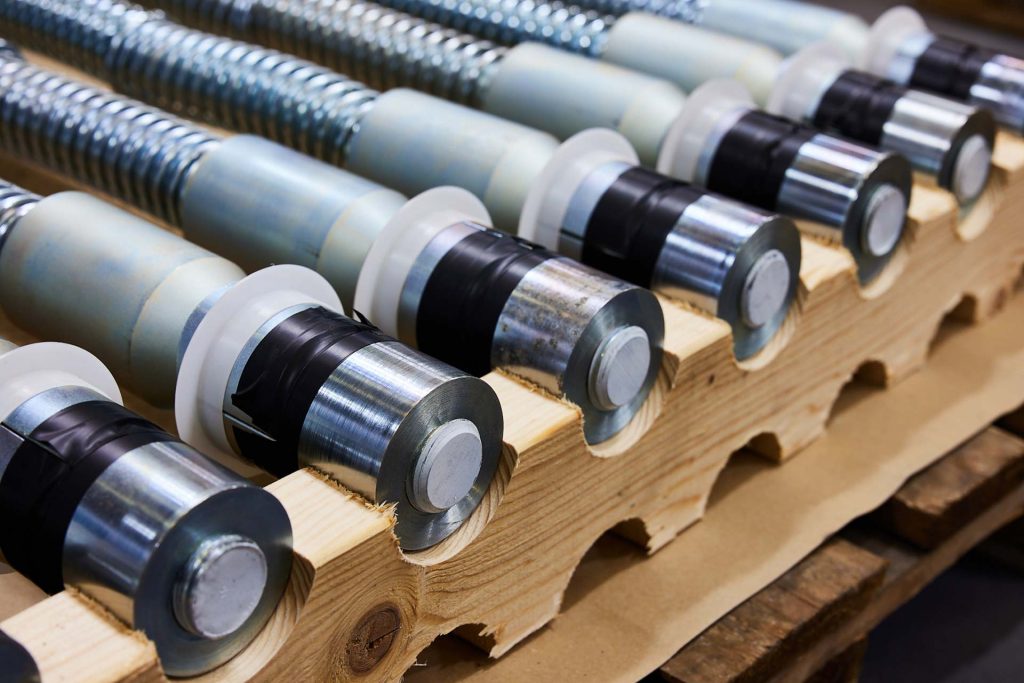
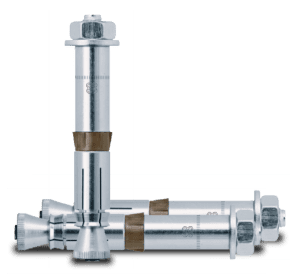
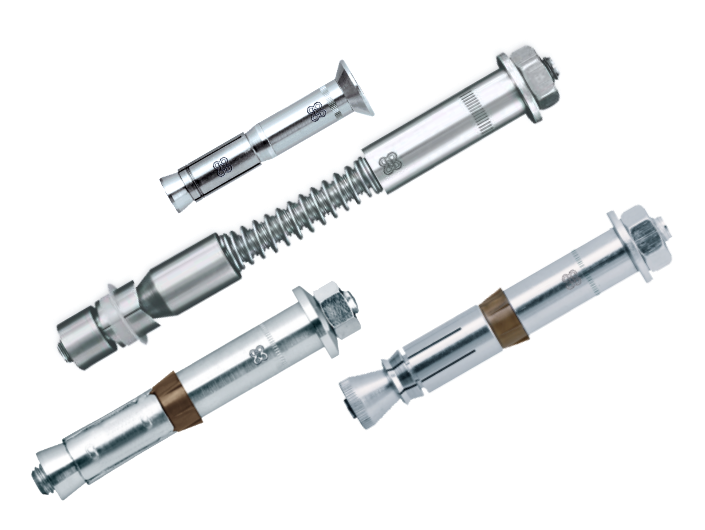
Anchor bolts are fundamental in maintaining the structural integrity of elevator systems. They securely fasten the elevator components to the building framework, providing essential support against operational and environmental stresses. The choice of anchor bolts must align with specific construction standards, ensuring they meet the required load-bearing capacities. Proper installation and regular inspection of these bolts are critical to prevent mechanical failures, thereby safeguarding the elevator’s performance and the building’s overall stability. The Liebig Safety Bolt, Liebig Superplus BLS and EJOT Multifix chemical anchoring products are fully compliant and typical of options available.
Ensuring Compliance with Safety Standards and Building Codes
Adhering to safety standards and building codes is paramount in elevator anchoring. Compliance ensures that installations meet legal and operational requirements, safeguarding both occupants and infrastructure. Regular audits and thorough documentation of all processes help maintain adherence to these regulations. Additionally, collaboration with certified professionals knowledgeable in local codes can prevent legal complications and enhance project reliability. Implementing comprehensive installation guidelines can further support compliance efforts, ensuring that all procedures align with current standards and best practices. This proactive approach not only mitigates risks but also fosters trust and confidence in elevator operations.
Guidelines for Effective Elevator Anchoring
Implementing effective elevator anchoring requires adherence to rigorous guidelines that ensure both safety and operational efficiency. Start by conducting comprehensive site assessments to evaluate structural conditions. Collaborate with qualified engineers to design anchoring systems tailored to the building’s specific needs. Prioritise precision in installation, focusing on alignment and material quality. Regularly train installation teams on updated techniques and standards. Emphasize the importance of ongoing inspections and maintenance to promptly address any issues. By integrating these practices, you can enhance the reliability and longevity of elevator systems, fostering a secure and efficient operational environment.
Regular Inspection and Maintenance for Anchored Elevators
Ongoing inspection and maintenance of anchored elevators are integral to sustaining their operational efficiency and safety. Regular assessments help identify potential issues before they escalate, ensuring prompt corrective measures. These proactive steps minimise downtime and extend the lifespan of the elevator system. By adhering to a structured maintenance schedule, you can uphold compliance with safety standards and optimise performance. Engaging qualified professionals for these inspections ensures adherence to best practices and enhances the reliability of the elevator infrastructure. This approach supports a secure and efficient operational environment.
Best Practices for Contractor Selection and Project Management
Selecting the right contractor and overseeing project management are pivotal to successful elevator anchoring. Evaluate contractors based on their experience, technical expertise, and adherence to safety standards. Prioritise those with a proven track record in similar projects. Implement a structured project management approach that includes clear communication, regular progress assessments, and contingency planning. This ensures alignment with project goals and minimises risks. For further guidance on ensuring compliance, consider exploring anchoring solutions for lift installations ensuring compliance with safety standards and building codes.
Proper elevator anchoring is crucial for both safety and performance, as errors can lead to costly repairs and safety risks. Understanding common mistakes, selecting suitable materials, and adhering to safety standards are essential steps. Regular inspections and choosing the right contractors further ensure the structural integrity of your installations. By addressing these key areas, your business can enhance the reliability and efficiency of elevator systems, aligning with both safety compliance and operational excellence.
Featured Product in this article
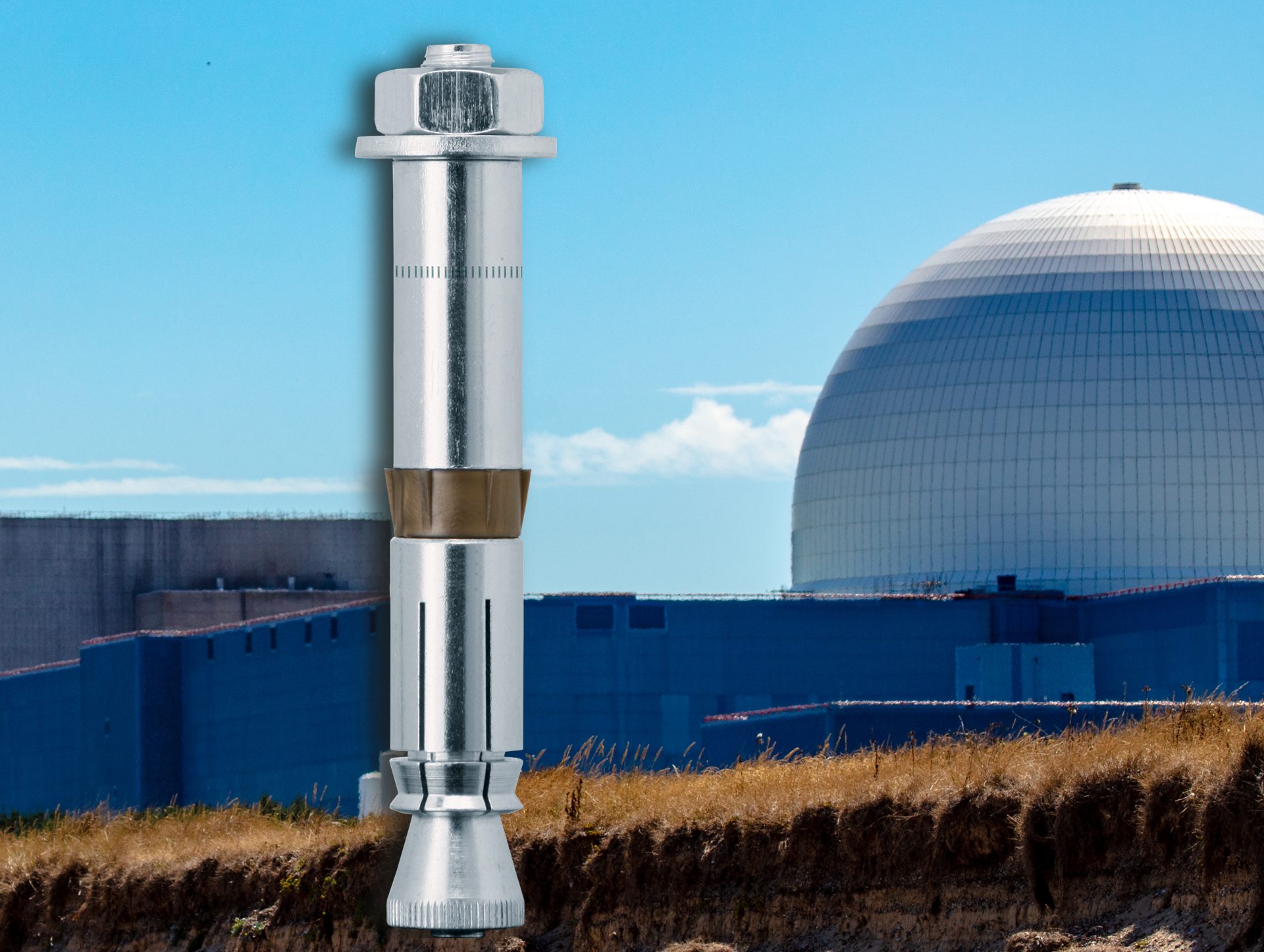
Safety Bolt
- Legendary twin-cone heavy duty anchor for hi-power performance
- Torque-controlled twin-cone heavy duty anchor for push-through installations.
- Suitable for heavy loads due to optimal friction resistance
Frequently Asked Questions
Why is correct anchoring so important in elevator installations?
Elevator anchoring is a safety-critical part of lift installation. Anchors must withstand significant loads and ensure long-term stability within the building structure. Selecting and installing anchors correctly is essential to meet performance and safety standards in modern elevator systems.
What are the most common mistakes made when anchoring elevators?
Common issues include selecting the wrong type of anchor, failing to consider the substrate material, incorrect drilling or hole preparation, and overlooking load requirements. These mistakes can reduce anchor performance and compromise safety.
How does the building substrate affect anchor performance?
Different materials such as reinforced concrete, masonry or other substrates require different anchoring solutions. Choosing anchors that match the material properties and load requirements is essential to ensure long-term reliability and structural integrity.
Why is proper installation and preparation critical for anchors?
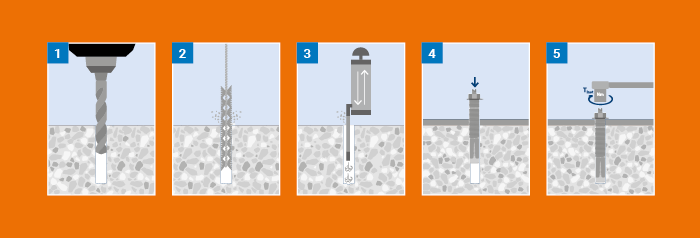
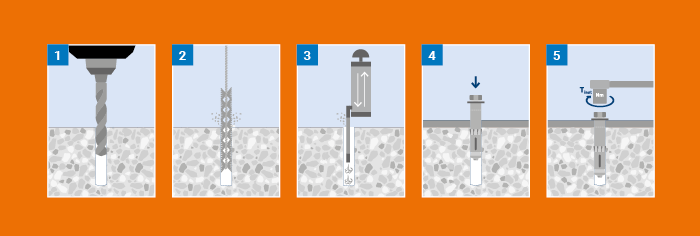
Even a high-quality anchor can fail if it is installed incorrectly. Factors such as hole diameter, cleaning procedures, embedment depth and torque settings must follow the manufacturer’s specifications to ensure the anchor achieves its intended load capacity.
How can lift installers avoid anchoring mistakes in practice?
Installers should carefully evaluate load requirements, substrate conditions and environmental factors before selecting an anchor system. Following tested installation procedures, manufacturer guidelines and industry standards helps ensure a safe and durable elevator anchoring solution.